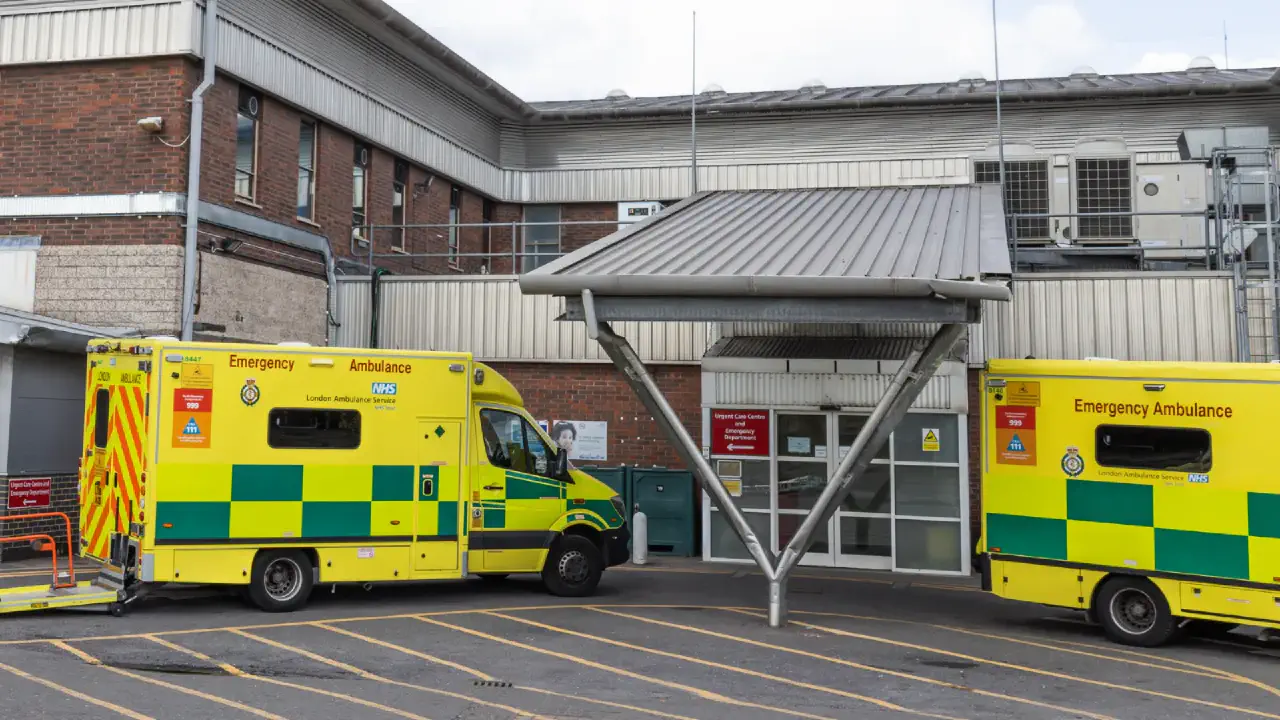
Building a New Town at Adlington presents clear and material risks to the capacity and effectiveness of emergency services. Ambulance, fire and police services serving the area already operate under pressure, and response times are highly sensitive to distance, road congestion and service demand. Significant population growth without corresponding emergency service provision would increase risk to public safety.
There are no proposals for new emergency service facilities to serve a New Town at Adlington. As a result, emergency response would continue to rely on existing stations and resources serving a much wider area, with increased call volumes and longer travel distances.
No new ambulance, fire or police facilities are proposed. Flood risk and congestion on the local road network further increase the risk of delayed emergency response, particularly during peak periods and extreme weather events.
Emergency Healthcare and Ambulance Services
As set out in the Healthcare section , Buxton Hospital does not provide a full Accident & Emergency (A&E) service. Patients requiring full emergency care must be conveyed to Stepping Hill Hospital or Macclesfield District General Hospital. This increases journey times for ambulances and places additional pressure on ambulance availability and response times.
Increased population density will inevitably lead to higher demand for ambulance services, including life-threatening incidents. Without additional ambulance resources or closer access to full A&E facilities, response times are likely to deteriorate, particularly during peak demand periods.
Emergency services are highly sensitive to distance, congestion and access reliability. Adlington is served by North West Ambulance Service, which already faces rising demand and longer conveyance times to full A&E facilities.
Ambulance Services and Emergency Response Times
NHS England sets national ambulance response standards, including a mean response time of 7 minutes for Category 1 (life-threatening) incidents and 18 minutes for Category 2 emergencies, such as strokes and heart attacks. These standards are highly sensitive to journey time, congestion and ambulance availability.
Increased population associated with a new town would inevitably lead to higher emergency call volumes. Without additional ambulance resources or closer access to full A&E facilities, there is a clear risk that response times would deteriorate.
Fire and Rescue Services
Fire and rescue services would face increased demand associated with a larger population, higher housing density, and more complex built environments. Response effectiveness depends on travel time, road access, and resource availability. No evidence has been presented to demonstrate that existing fire service provision could safely accommodate the scale of development proposed.
Police Services and Community Safety
Population growth of the scale proposed would increase demand on policing, including emergency response, neighbourhood policing, and public safety functions. Without additional, secured resources, this risks stretching existing police services further, potentially impacting response times and visibility.
Transport and Access
The local road network is already under strain. Increased traffic associated with a new town would worsen congestion, delay emergency response, and reduce network resilience. Transport constraints directly affect access to healthcare, emergency services, schools and employment, compounding impacts across all infrastructure types.
Road Network and Response Times
Emergency service response times are directly affected by road capacity and congestion. As identified in the Transport section of this site, the local road network is already under strain. Increased traffic associated with a new town would:
- Delay blue-light access during peak hours
- Increase the risk of obstruction on key routes
- Reduce resilience during major incidents or severe weather events
These factors compound the risks identified for healthcare access and emergency response.
Schools and Community Infrastructure
Schools in the wider area are already operating close to capacity, with no certainty that sufficient places could be delivered in step with population growth. Education, healthcare and transport pressures are cumulative and cannot be addressed in isolation.
Cumulative and Long-Term Risk
Emergency service provision cannot be considered in isolation. Pressures on emergency response are directly linked to:
- Healthcare capacity, particularly access to full A&E services
- Transport infrastructure, affecting response and conveyance times
- Flood risk, which can restrict access routes and increase emergency incidents
The cumulative effect of these constraints increases risk to both existing and future residents.
Over the lifetime of the development, population growth would increase demand year on year across all infrastructure systems. Flood risk, workforce shortages, congestion and service capacity constraints would interact, increasing risk to public safety and quality of life. In the absence of clear, funded and deliverable infrastructure provision in advance of occupation, these impacts cannot be adequately mitigated.
Planning Implications
National planning policy requires development to be supported by infrastructure that is adequate, deliverable, resilient timely and safe. In this case, the evidence indicates that multiple critical infrastructure systems would be placed under unacceptable strain. The cumulative effect of these constraints represents a fundamental challenge to the sustainability and safety of the proposed New Town at Adlington.
- Adlington is served by North West Ambulance Service (NWAS)
- NWAS covers a wide geographical area with rising demand
- Serious emergencies require longer ambulance journeys to full A&E
- Longer conveyance times reduce local ambulance availability
- Flood risk and congestion directly affect emergency response reliability
- No new ambulance, fire or police facilities are proposed
- Full A&E access requires travel outside the immediate area
- NHS ambulance response standards depend on journey time and availability
- Increased population increases emergency call volumes
- Congested roads delay emergency response
- Emergency service pressures are cumulative and infrastructure-dependent
Building a New Town at Adlington presents clear and material risks to the capacity and effectiveness of emergency services. Ambulance, fire and police services serving the area already operate under pressure, and response times are highly sensitive to distance, road congestion and service demand. Significant population growth without corresponding emergency service provision would increase risk to public safety.
There are no proposals for new emergency service facilities to serve a New Town at Adlington. Emergency response would therefore continue to rely on existing stations and resources serving a much wider area, with increased call volumes and longer travel distances.
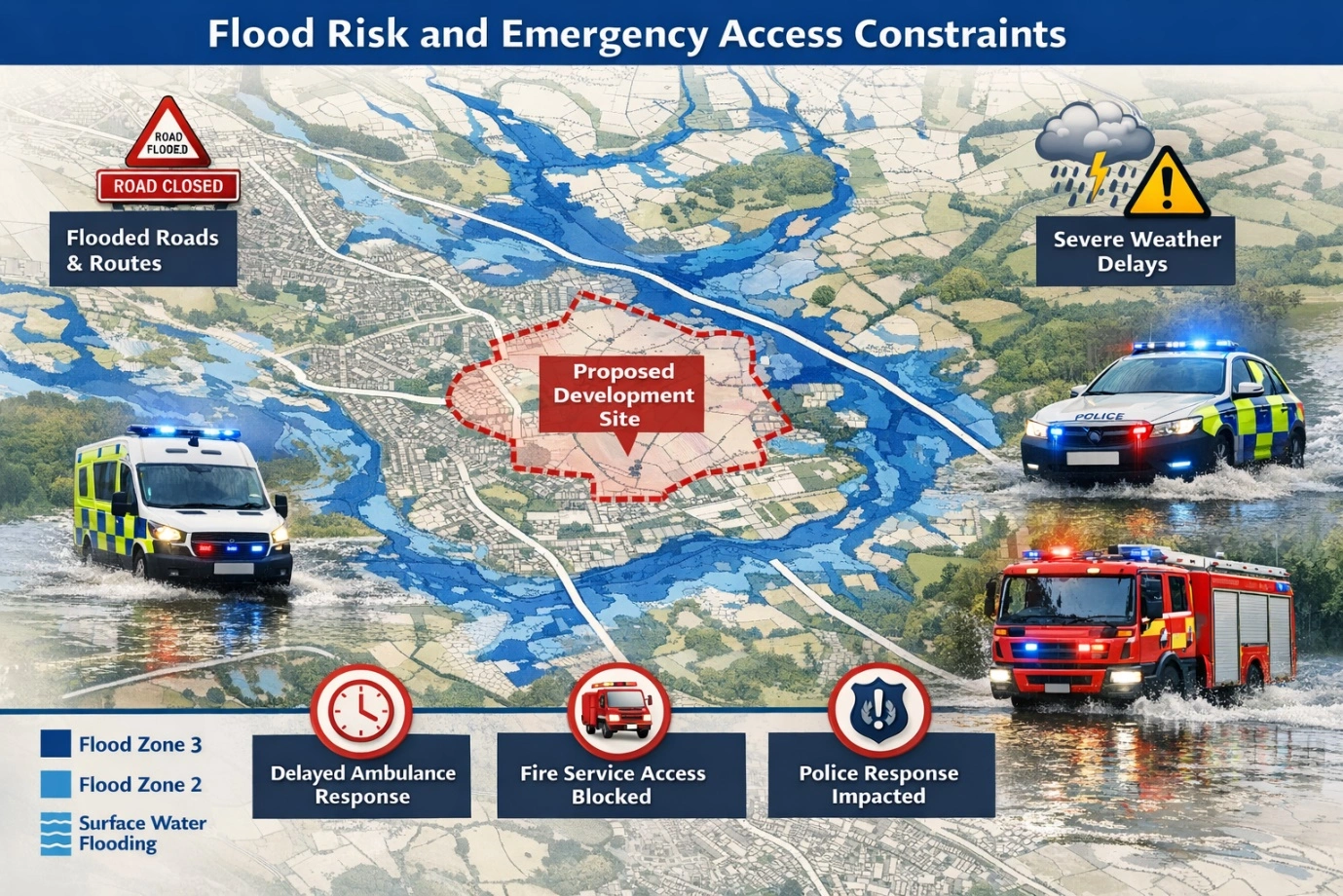 Flood Risk and Emergency Access Constraints
Flooding of roads and access routes can delay or prevent ambulance, fire and police response, particularly during severe weather events when emergency demand is highest. Where development increases flood risk, surface water runoff or congestion on key routes, the reliability and resilience of emergency access is reduced, creating a direct risk to public safety.