The proposed New Town at Adlington would introduce substantial additional demand across multiple infrastructure systems that are already constrained. Flood risk, healthcare capacity, emergency services, transport networks and schools are interdependent.
Failure in one area directly increases pressure in others. Taken together, these constraints represent a clear and material risk to the sustainability, safety and deliverability of the proposal.
Flood Risk and Drainage
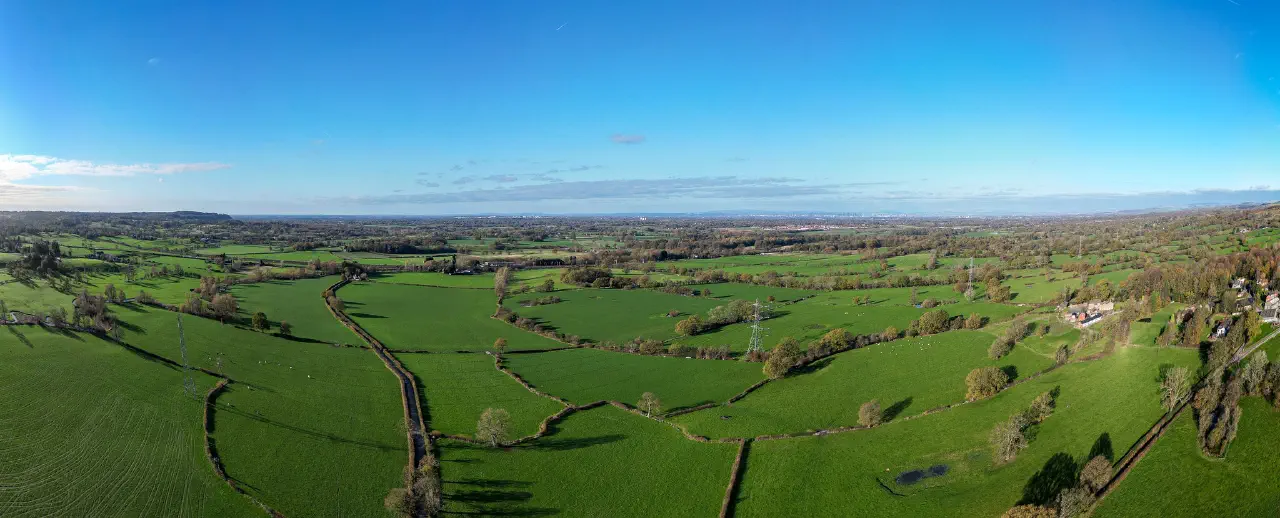
Large areas of the site lie within Flood Zones 2 and 3 1, with additional risks from surface water, groundwater and ordinary watercourses. Removal of woodland and permeable land would increase runoff and flood peaks, while climate change is expected to increase both the frequency and severity of flooding over the lifetime of the development. Flooding also directly affects access routes relied upon by residents and emergency services. Read more about flood risk .
Healthcare Capacity
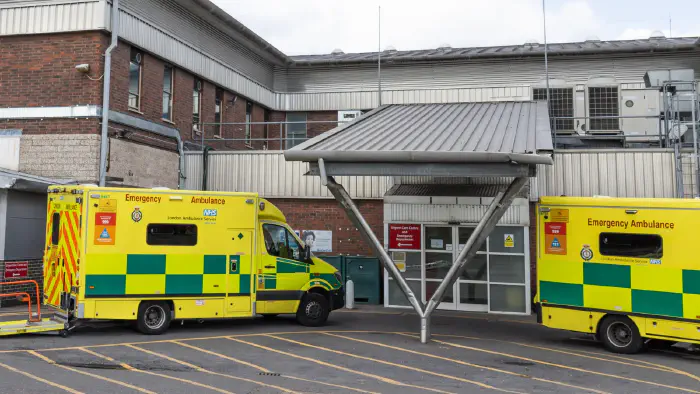
Healthcare services serving Adlington are already under pressure. There are no plans for a new hospital, and Buxton Hospital does not provide a full A&E service. Full emergency care requires travel to hospitals outside the immediate area. GP services face ongoing workforce shortages, and new premises alone cannot guarantee increased appointment availability. Population growth without healthcare capacity in place risks worsening access for both existing and future residents. Read more about healthcare .
Emergency Services
The proposed New Town at Adlington would place additional and sustained pressure on emergency services that are already constrained by distance, workforce availability and transport capacity. There are no proposals for new ambulance, fire or police facilities, and full A&E access requires travel to hospitals outside the immediate area. In the absence of clear, funded and deliverable emergency service provision in place before occupation, the proposal risks worsening response times and undermining public safety over the lifetime of the development. Read more about emergency services .
Social Services
The development would generate significant demand for adult social care and children’s services in an area where provision is already stretched to a breaking point. The influx of a diverse demographic, including elderly residents and vulnerable families, requires a localised support network that does not currently exist. Statutory bodies have noted that social care delivery is heavily dependent on workforce mobility; therefore, deficiencies in local housing affordability for key workers or failures in the transport network will directly impede essential home-care visits and child protection services.
Schools
Educational infrastructure in the Adlington and Poynton areas is at or near capacity, with “limited physical scope for expansion” at existing primary and secondary sites. While the masterplan proposes new facilities, the historic lag between population growth and the commissioning of schools risks a systemic shortfall in places This would force a reliance on “out-of-catchment” schooling, exacerbating peak-time traffic congestion and undermining the “walkable community” principle championed by the New Towns Taskforce.
Transport: Including Rail & Roads
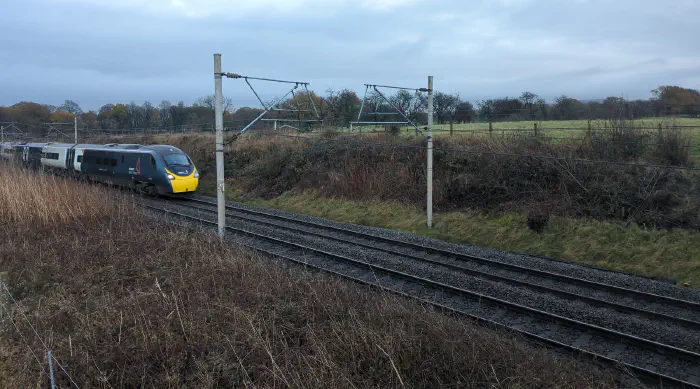
The existing road hierarchy, specifically the A523 corridor, is ill-equipped for the significant increase in private vehicle trips. Planning objections highlight that key junctions are already operating near theoretical capacity, risking “total gridlock”. While the developer points to the existing rail station, it lacks the platform length, parking, and service frequency required for a transit hub; furthermore, rail capacity between Cheadle Hulme and Stockport is currently capped, making increased stopping services “technically unfeasible” without massive strategic investment. Read more about transport .
Water and Sewage
The scale of the proposal poses a severe challenge to wastewater treatment capacity. The Strategic Flood Risk Assessment (SFRA) indicates that existing sewage treatment works (STW) lack the “headroom” to process the anticipated foul flow from up to 20,000 homes. Without significant upgrades, there is a heightened risk of untreated overflows into the River Dean. Furthermore, the demand for potable water in a region already facing “long-term supply challenges” necessitates new strategic mains infrastructure not currently in utility providers’ capital programmes.
Environmental, Recycling & Refuse
The proposed New Town would place an impossible burden on a waste management network that has seen recent and significant service reductions. Following the closure of the Bollington and Poynton Household Waste Recycling Centres (HWRCs), the region is now reliant on only two primary sites, including Macclesfield, which are already experiencing increased wait times and traffic congestion. The addition of thousands of households without a dedicated on-site waste facility would lead to unsustainable pressure on these remaining hubs, likely resulting in increased fly-tipping and further degradation of local air quality due to extended HGV and resident travel distances.
Cumulative Infrastructure Impact
The proposed New Town at Adlington cannot be assessed as a series of isolated issues; rather, it represents a cumulative failure of interdependent systems. The “perfect storm” of infrastructure deficits—ranging from the contraction of waste services (with the loss of Bollington and Poynton centres) to the saturation of the A523 transport corridor—creates a compounding risk. For example, increased traffic congestion does not merely inconvenience commuters; it actively degrades emergency response times and prevents social care workers from reaching vulnerable residents. Similarly, the loss of permeable land increases flood risk, which in turn threatens the integrity of already over-capacity sewage networks. Without a comprehensive, front-loaded, and fully funded regional infrastructure strategy, the development is fundamentally undeliverable.