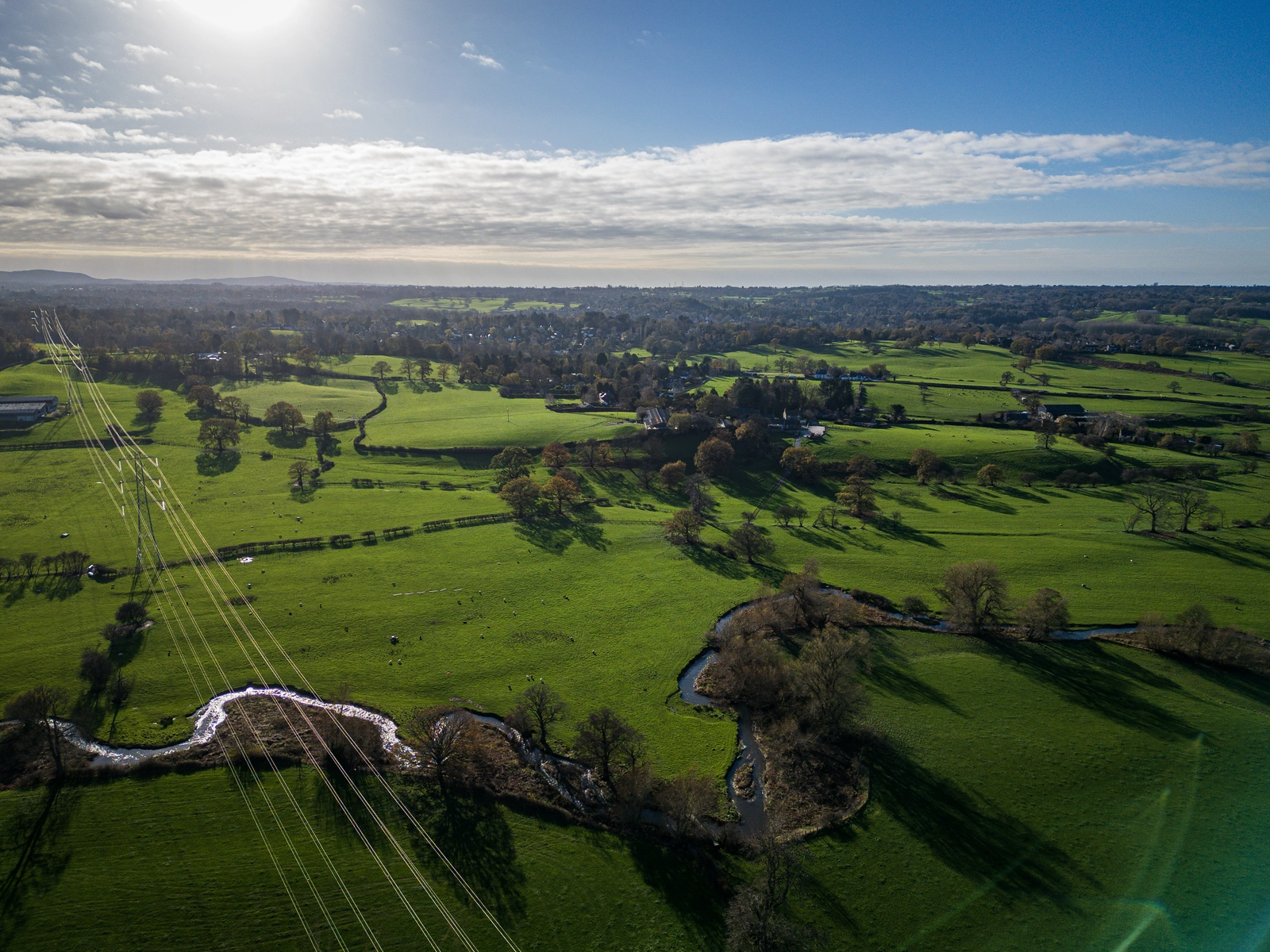
Two recent reports from Smart Growth UK raise significant concerns about the Government’s push for large new settlements, including the proposed new town at Adlington.
The organisation’s reports — “New Towns – Slow, Costly and Destructive” (2025) and “New Towns Report 2” (2026) — argue that modern new towns are unlikely to deliver housing quickly and often come with major environmental and financial risks.
📄 Read the reports:
- 2025 report: New Towns - Slow, Costly and Destructive
- 2026 report: New Towns Report 2
A central finding is that new towns are one of the slowest ways to deliver housing. The reports highlight that the complex process of planning, land assembly and infrastructure delivery means new settlements can take many years before significant numbers of homes are built.
The research also challenges the idea that new towns are environmentally sustainable. In practice, most are built on large areas of greenfield agricultural land, leading to the loss of countryside rather than regeneration of brownfield sites.
Transport is another concern. The reports argue that many modern “new towns” become low-density, car-dependent developments, making it difficult to provide viable public transport and encouraging increased traffic.
Infrastructure costs are also significant. Large new settlements require major investment in roads, rail, schools, healthcare and utilities, with the reports warning that taxpayers often end up funding a large share of this infrastructure.
For communities facing proposals such as the Adlington new town, these findings reinforce many of the concerns already being raised locally: the loss of countryside, pressure on infrastructure and the risk that the promised benefits may take decades to materialise.
As debate continues over the future of the site, the evidence from Smart Growth UK highlights the need for careful scrutiny before committing to large-scale new town developments.